In the high-stakes world of Web3 entertainment, liquidity is king, but rewards are the kingdom. For "crypto whales"-users moving six or seven figures in volume—standard loyalty programs don't cut it. You need bespoke incentives, deep liquidity for withdrawals, and tokenomics that work in your favor.
Two titans dominate this space: Rollbit and BC.Game. Both offer massive ecosystems for iGaming and crypto rewards, but they cater to very different types of high-volume users.
This deep-dive comparison analyzes their VIP hierarchies, native token utility (RLB vs. BCD), and exclusive perks to help you decide where your digital assets will generate the highest yield.
The Ecosystems at a Glance
Before dissecting the VIP tiers, it is crucial to understand the fundamental difference in platform architecture.
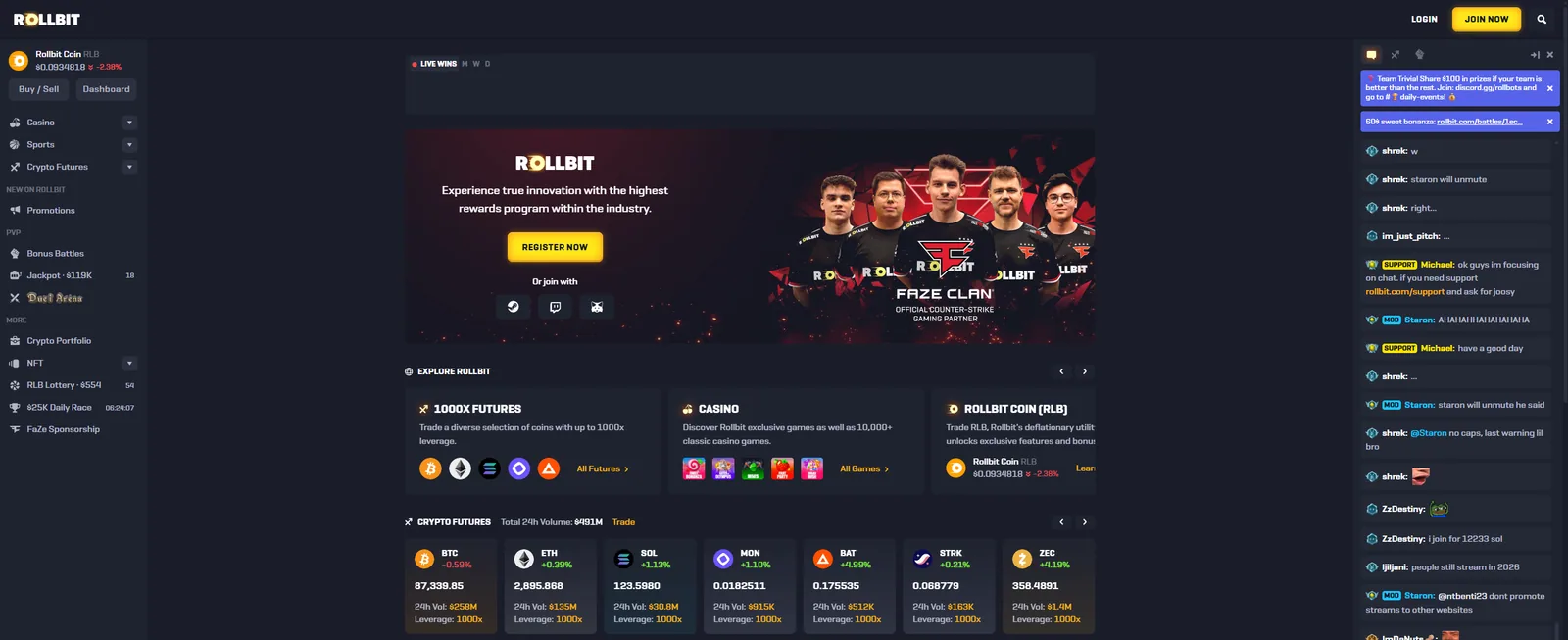
- Rollbit has positioned itself as a hybrid powerhouse, merging high-leverage crypto futures trading with on-chain gaming. It appeals heavily to the "degen" culture—traders who want to hedge their portfolio while engaging in entertainment.
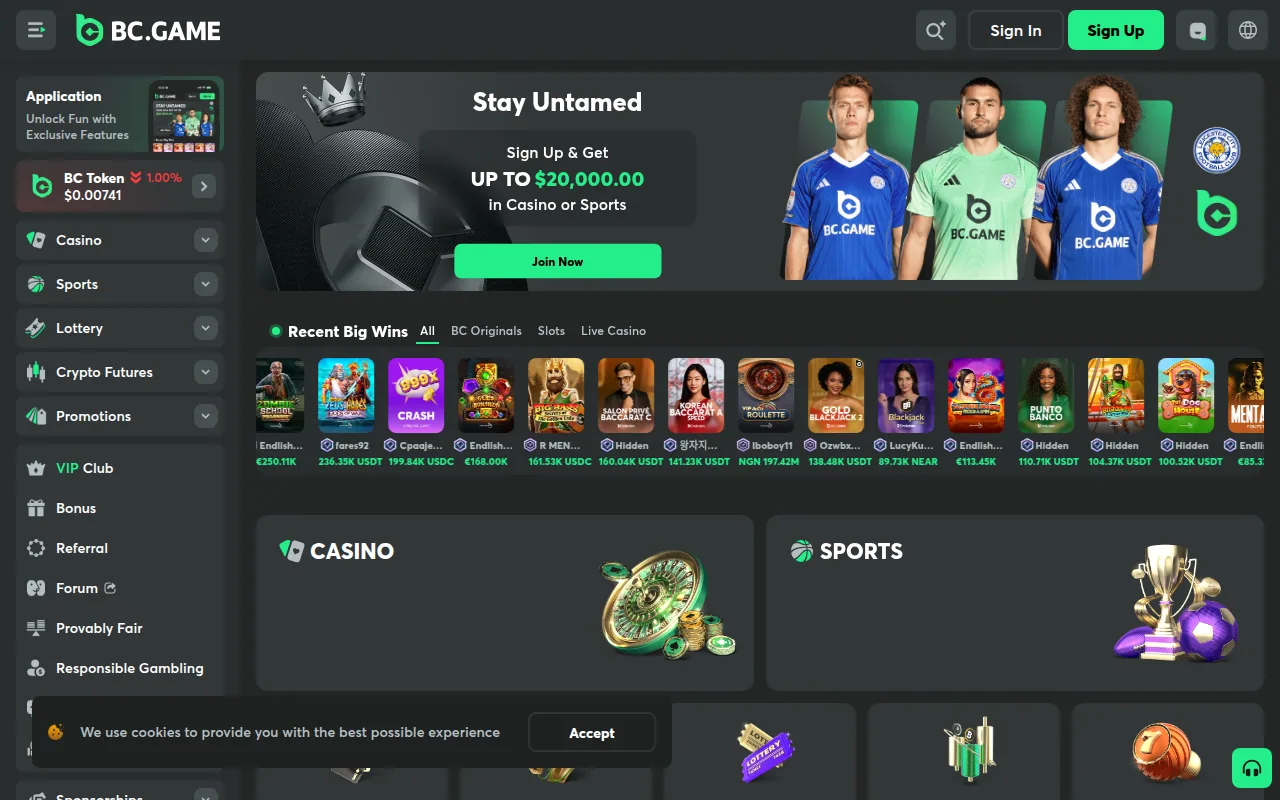
- BC.Game is a purebred iGaming giant. It boasts one of the largest libraries of games and supports an immense variety of altcoins, making it the go-to liquidity hub for holders of niche tokens.
Explore the Hybrid Trading & Gaming Suite
1. VIP Hierarchy: The Climb to SVIP
For a whale, the "stickiness" of a platform depends on how quickly you can ascend to the top tiers where the real benefits unlock.
BC.Game: The Marathon to SVIP
BC.Game utilizes a complex, multi-tiered system culminating in the coveted SVIP (Super VIP) status. The journey is long, but the destination is built for luxury.
- Structure: Over 143 levels (Bronze to Diamond III, then SVIP).
- The SVIP Difference: Once you hit the SVIP tier (Level 38+), you are no longer dealing with a bot. You are assigned a dedicated VIP Host.
- Whale Perks: SVIPs enjoy all-expenses-paid trips, private parties at global crypto events, and arguably the most flexible withdrawal limits in the industry.
Rollbit: The Rank & Combat System
Rollbit’s progression feels more gamified and "instant."
- Structure: A rank-based system (Bronze to Vibranium and beyond).
- The Difference: Rollbit focuses on daily rewards and instant gratification rather than concierge service.
- Whale Perks: High-rank players receive massive Rank Up Bonuses and substantial increases in rakeback. The integration of NFTs (Rollbots) allows whales to "equip" their VIP status, boosting rakeback percentages simply by holding an asset.
Winner for Concierge Service Winner for Gamified Progression
2. Tokenomics: RLB vs. BCD
This is where the two platforms diverge significantly. For a crypto whale, the native token isn't just a play chip; it's an investment vehicle.
Rollbit (RLB): The Deflationary Utility Token
Rollbit’s RLB token is the gold standard for "GambleFi" tokenomics.
- Buy & Burn: A significant portion of platform revenue is used to buy back and burn RLB, creating constant deflationary pressure.
- Utility: Whales hold RLB not just to play, but to participate in the RLB Lottery (a profit-sharing mechanism) and to reduce trading fees on the futures platform.
- Verdict: Holding RLB aligns your incentives with the platform's success. It is a financial asset within the ecosystem.
BC.Game (BCD): The Stable Reward Credit
BCD (BC Dollar) is pegged 1:1 to the USDT value within the platform.
- Mechanism: You earn BCD through rakeback and deposit bonuses (often unlocked through wager volume).
- Utility: It serves as a stable internal currency for gameplay and tipping. While you can swap it, it lacks the speculative "moon" potential of RLB.
- Verdict: BCD is excellent for predictable bankroll management but lacks the "investor" appeal of RLB.